
Electricity Smart Meters – Australian Government Mismanagement
Are Smart Meters Worth the Cost? A Look at Australia’s Energy Monitoring Programs
Over the past decade, Australia has seen a significant push to install smart meters and energy monitoring devices in homes nationwide. These efforts, often framed as a step toward a more sustainable and efficient energy future, have cost taxpayers millions of dollars. But are these programs delivering on their promises? Evidence suggests otherwise.
The Quiet Rollout of Smart Meters
Smart meters were introduced to replace traditional accumulation meters, providing real-time electricity usage data to consumers, retailers, and distributors. Yet, many Australians remain unaware that they even have a smart meter installed. Research by the Australian Energy Market Commission (AEMC) found that up to one-third of consumers with smart meters are unaware of their existence, let alone how to access or use the data they provide. This lack of awareness severely undermines the potential benefits of these devices.
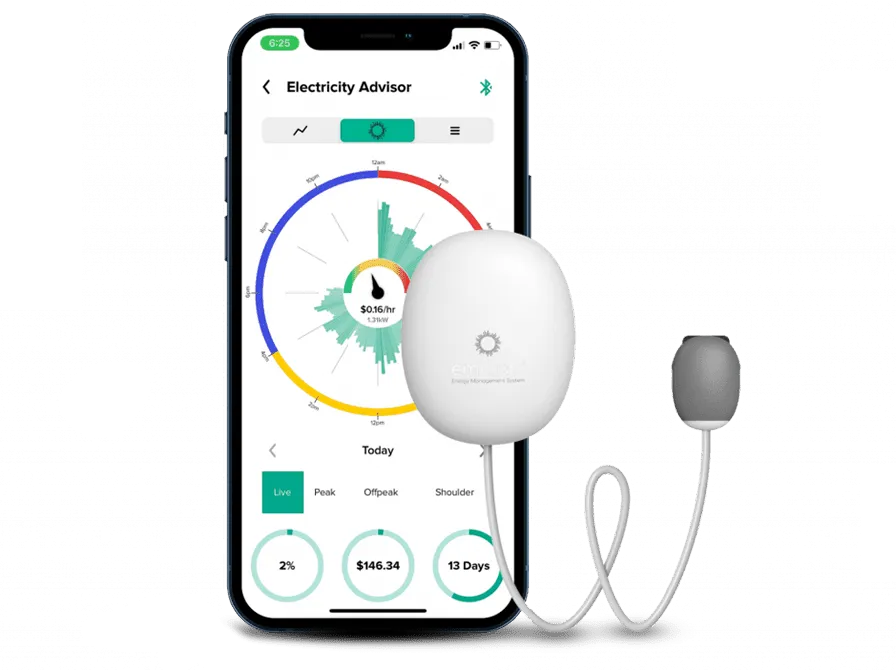
Adding to the confusion, state governments have begun offering free energy monitors that connect to smart meters and provide similar data through yet another app. This duplication raises questions about the necessity and efficiency of these initiatives. Why spend public funds on additional devices when the same information is already accessible through existing apps provided by energy distributors?
A Personal Experiment with Appliance-Level Smart Metering
As someone who has implemented appliance-level smart metering in my own home, I bring a first-hand perspective to this debate. My goal was to gain a detailed understanding of where my household energy consumption could be optimised. To achieve this, I invested approximately $1,000 in controllers with energy monitoring capabilities and hired professional electricians to ensure compliance with safety regulations.
The results were illuminating but sobering. With granular data on my appliances’ energy usage, I now have the ability to make informed decisions about where I could cut back to reduce my power bill. However, despite this level of insight, I’ve come to the conclusion that the financial outlay required for such a system is unlikely to be recouped through energy savings alone. Furthermore, this outlay is outside of the reach of most Australians.
This personal experiment has led me to believe that while appliance-level smart metering provides valuable information for those willing to make a significant upfront investment, it is not a practical or cost-effective solution for most households. Moreover, it highlights a critical flaw in the broader rollout of add-on smart metering programs: they fail to deliver meaningful value to consumers who are neither equipped nor motivated to act on the data provided.
The Cost vs. Benefit Debate
The financial burden of these programs is substantial. Installing smart meters costs between $150 and $250 per unit, not including infrastructure upgrades and administrative expenses. Governments and energy providers argue that these devices reduce operational costs (e.g., manual meter readings) and empower consumers to save on their energy bills through better data access. However, evidence of meaningful savings is sparse.
For example, while smart meters enable features like time-of-use tariffs and solar integration, many consumers lack the knowledge or motivation to adjust their energy habits accordingly. Studies show that simply providing data is insufficient to drive significant behavioural changes. Without robust education campaigns or financial incentives, most households fail to optimise their energy usage.
In light of my own experience with appliance-level metering, it becomes even clearer that add-on devices like free government-distributed monitors are redundant at best and wasteful at worst. These programs create an illusion of progress but fail to address the core challenges of consumer engagement and cost-effectiveness.
Smart Energy Devices: Automation vs. Energy Savings
One key observation from my experiment is that smart energy devices are far better suited for home automation than for solving the problem of energy savings or community-wide energy reduction. While they can provide convenience—such as scheduling appliances or remotely controlling systems—they do little to address the original goal of reducing household or societal energy consumption in a meaningful way.
For most households, achieving significant savings would require not just monitoring but also replacing inefficient appliances or changing ingrained habits—steps that go far beyond what these devices can facilitate.
A Waste of Public Funds?
The Victorian government’s initiative to provide free in-home energy monitors under its Victorian Energy Upgrades (VEU) program exemplifies the inefficiencies in these efforts. These monitors duplicate functionalities already available through smart meter apps, adding unnecessary costs to taxpayers. Critics argue that such programs serve more as political gestures than practical solutions designed to create an illusion of action rather than deliver measurable benefits.
Moreover, some consumers report negative experiences with smart meters. In certain cases, retailers have used the rollout as an opportunity to introduce new charges or increase tariffs without adequate transparency. This has led to frustration and mistrust among consumers who feel exploited rather than empowered.
What Needs to Change?
To justify the continued investment in smart meters and related programs, several steps are necessary:
- Consumer Education: Governments and energy providers must launch comprehensive campaigns to educate consumers about how to use smart meter data effectively.
- Streamlined Solutions: Instead of layering additional devices like free energy monitors, focus on improving existing platforms and making them user-friendly.
- Transparent Costs: Ensure that any new tariffs or charges associated with smart meters are clearly communicated and justified.
- Independent Evaluation: Conduct rigorous studies to assess whether these programs deliver tangible benefits for individual households and the community as a whole.
- Focus on Impactful Solutions: Shift attention from superficial measures like distributing redundant devices toward initiatives that drive real change—such as incentivising appliance upgrades or promoting renewable energy adoption.
Time To Stop The Nonsense!
With a federal election on the horizon—likely by May 2025—now is the time for Australians to demand accountability from their political candidates regarding public expenditure on initiatives like smart metering programs or worse still, the current government programs that give very small rebates to entice people buy brand new appliances. Rather than accepting vague promises or superficial gestures, voters should insist on transparency in government projects.
Here’s how you can take action:
- Ask Questions: When candidates visit your electorate or hold town halls, ask them directly about their stance on public spending transparency.
- Demand Reviews: Push candidates to commit to conducting real pre- and post-implementation reviews for all major initiatives—including clear cost-benefit analyses.
- Use Your Voice: Write letters or emails to your local candidates asking them how they plan to ensure taxpayer money is spent effectively.
- Share Your Concerns: Use social media platforms or community groups to raise awareness about issues like redundant spending on energy monitoring devices.
By holding politicians accountable during this election cycle, Australians can help ensure future government initiatives genuinely benefit individuals and communities—not just political optics. Let’s make our voices heard!